weather4 min read
Oslo in Late May: Daylight, Mild Air, and Rain Odds
Oslo in late May offers nearly 18 hours of daylight, mild temperatures around 16 °C (61 °F), and a real but manageable chance of showers — here is what to expect.
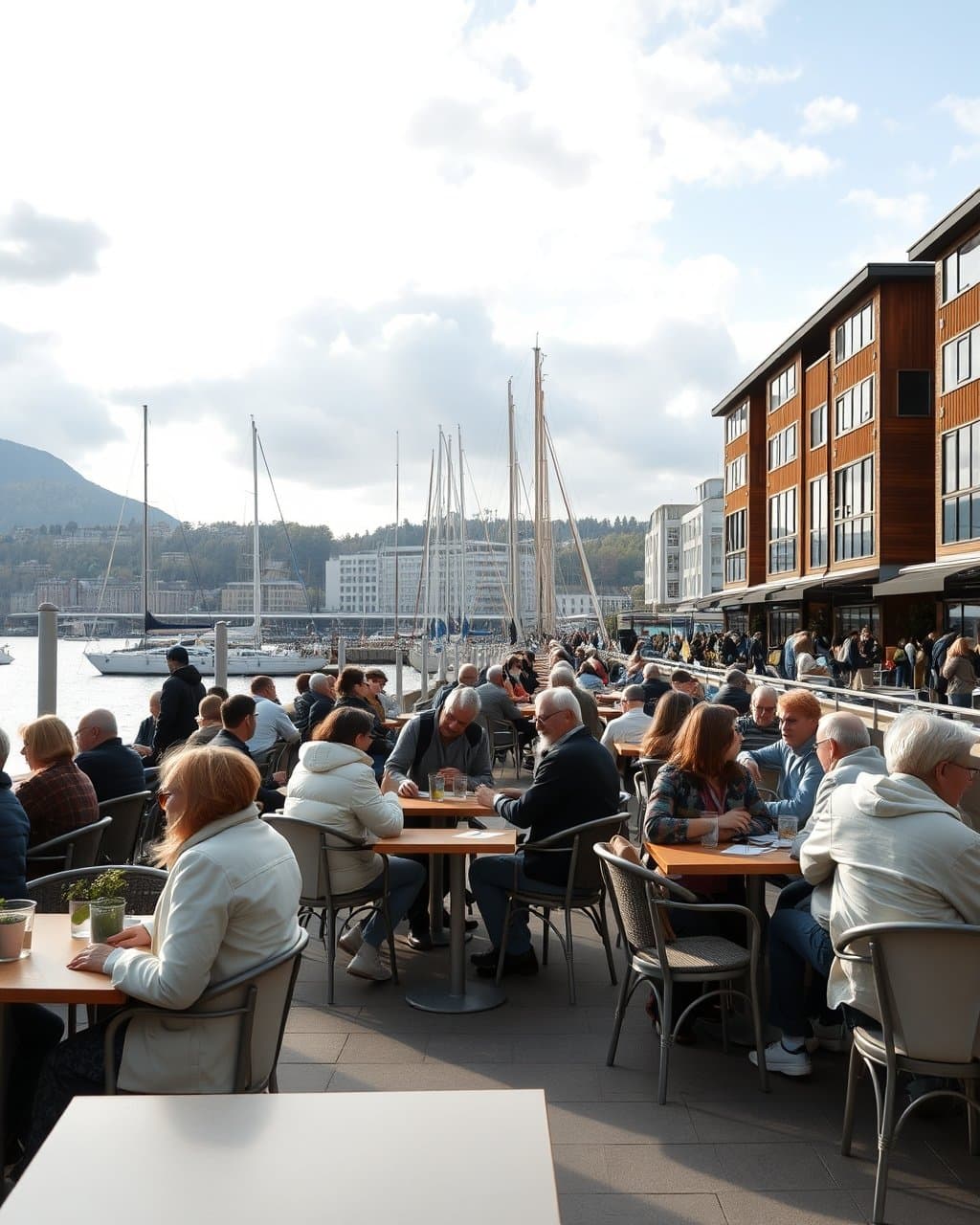
Oslo in Late May: A City Caught Between Spring and Summer
Step outside in Oslo on a late May morning and you are greeted by something rare at this latitude: daylight before 5 AM, with the sun arcing toward a sky that will not fully darken until well past 10 PM. Welcome to one of the most luminous windows in the Norwegian capital's year.
Temperature: Mild but Layered
Late May sits in Oslo's meteorological sweet spot. Historical climate data for the city shows average daytime highs of around 16–17 °C (61–63 °F) during this period, with overnight lows dipping to roughly 7–9 °C (45–48 °F). That spread of nearly 10 °C between day and night means layering is the sensible strategy — a light jacket you can tie around your waist by noon, then reach for again as evening approaches.
The warmth is genuine but not dramatic. Oslo sits at approximately 59.9° N, and its proximity to the Oslofjord keeps temperature extremes in check: the fjord absorbs heat during the day and releases it slowly at night, acting as a natural moderator. Temperatures above 25 °C (77 °F) are unlikely in late May, and a northerly wind can make even a sunny afternoon feel noticeably brisk.
Daylight: The Defining Feature
If one thing sets late-May Oslo apart from most urban experiences elsewhere in the world, it is the sheer length of the day. On 22 May, Oslo receives roughly 17 hours and 40 minutes of sunlight, with civil twilight extending usable outdoor light even further.
- Sunrise: approximately 04:50 local time (Central European Summer Time, UTC+2)
- Solar noon: approximately 13:17
- Sunset: approximately 22:00
- Civil twilight ends: approximately 22:50
This is important context for any visitor. Light that still looks like late afternoon at 9 PM is not a trick of perception — it is simply physics at 60° north. Anyone planning outdoor activities, photography, or even sleep schedules should factor in blackout curtains or an eye mask. The body's internal clock can lose track of the hour surprisingly fast.
Precipitation: Plan for the Odd Shower
May is one of Oslo's more settled months, but in a Scandinavian climate that still means carrying a compact rain layer. The city receives an average of around 45 mm of precipitation in May, spread across roughly 10–12 rain days. Showers here tend to be short-lived rather than sustained, and the heavy grey drizzle more associated with Norway's west coast is far less common in Oslo, which sits in a relatively sheltered position on the eastern side of the country.
A partly cloudy sky is the most typical midday profile. Full overcast can strip a few degrees off the temperature and flatten the light, but it rarely turns oppressive. Thunderstorms become possible from late May onward as the ground warms, though they remain infrequent for the month as a whole.